Articled updated: June 2026
10.4% of Australia's food-service and hospitality businesses closed in the past 12 months, a record high, as thin margins, weak discretionary spending and elevated costs hit the sector hardest.
If you ask anyone who has worked in hospitality, they'll tell you how difficult it can be to create a self-sustaining business. Headline inflation has eased from its peak (CPI was 4.2% in the year to April 2026), but the pressure on venues hasn't; it has simply changed shape. Years of accumulated cost rises now sit alongside cautious, cost-of-living-squeezed customers who spend less when they do go out.
In this article, we'll take a look at inflation in the hospitality industry, what challenges these businesses are facing, and the actions they're taking to stem the tide of rising costs.
Article Highlights
- Hospitality is under acute pressure with a record 10.4% of Australia's food-service and hospitality businesses closing in the past 12 months.
- Headline inflation eased (CPI 4.2% to April 2026) and food prices steadied, but years of accumulated costs and cautious, lower-spending customers keep margins thin.
- Energy is a major, controllable cost. The AER lifted default electricity prices for small businesses by up to 8.5% from July 2025, on top of recent years' increases.
- Input costs are rising again underneath. The AFGC reports Brent crude up 39% and container freight up 22% in the year to March 2026, lifting packaging, transport and ingredient costs.
- The levers hospitality controls are generating its own power with solar and sharpening procurement. Choice Energy saved the Avoca Hotel over $90,000 through a group tender, a network tariff assessment and a renegotiated gas supply.
Inflation Pressures on Hospitality
Hospitality businesses have generally always worked on fairly tight margins. Unfortunately, this makes hospitality businesses particularly vulnerable to increases in operating costs. Here are some of the key ones right now:
Energy Bills
Hospitality businesses rely heavily on both electricity and gas for cooking, refrigeration, and climate control. This isn't new, but energy costs remain a heavy and rising burden. The Australian Energy Regulator lifted default electricity prices for small businesses by up to 8.5% from July 2025, on top of the steep increases venues have absorbed over recent years.
Food and Beverage Prices
One of the biggest difficulties facing hospitality businesses is the price of their ingredients. The headline numbers have cooled. Fruit and vegetable prices were broadly flat over the year to April 2026, and overall food inflation eased to around 2.8% (ABS), but that follows years of steep rises that haven't unwound. Fresh pressure is building underneath, too. The Australian Food & Grocery Council reports Brent crude oil up 39% and container freight up 22% in the year to March 2026, pushing up the cost of packaging, transport and imported ingredients.

Rising Wages and Decreasing Consumer Spending
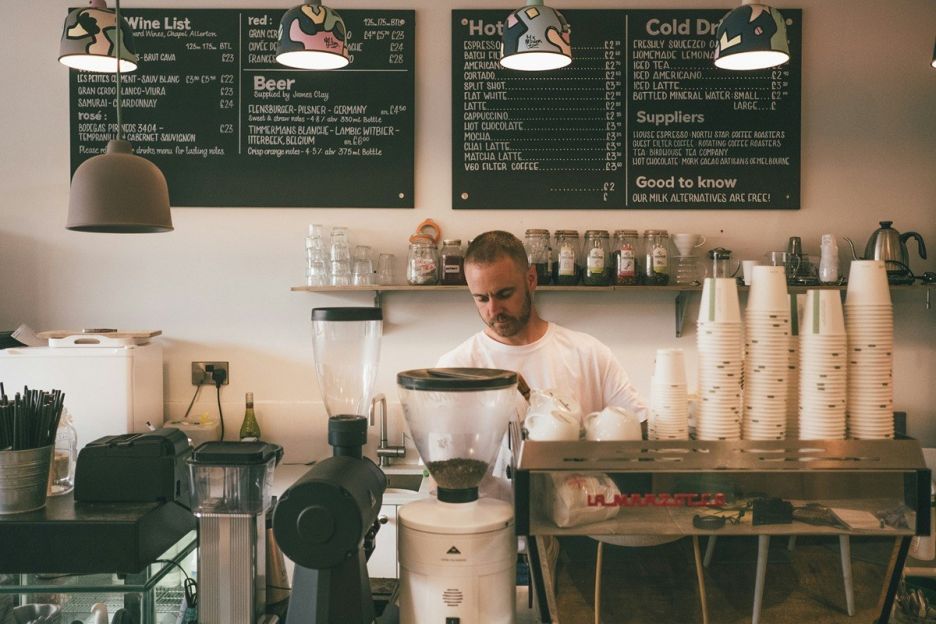
The current cost of living crisis is difficult for businesses and regular citizens alike. As a result of the general increase in the cost of living, people are understandably going out less to save cash.
While this hurts revenue, the hospitality industry is also facing the need for increased wages. This is due to a severe labour shortage in which venues are struggling to attract enough staff to operate. This increased need for staff has led to a spike in wages as competition for skilled workers becomes more fierce.
Regulatory and Compliance Costs
Compliance has always been a cornerstone of running a hospitality business, but in today's economic climate, the associated costs are becoming harder to bear.
One of the biggest hurdles is the rising cost of licenses and permits. For example, liquor licenses in Victoria can cost businesses anywhere from $245 to over $10,000 annually.
Navigating these regulations is complex, disproportionately affecting smaller venues, which usually can't spare the necessary resources for administration while wearing the many hats required to run a small business.
Addressing Challenges Due to Inflation
With all of these factors seemingly working against the success of hospitality businesses, you might wonder what can be done to ease the financial pain. We'll cover this next. As an energy consultant, we’ll focus primarily on how businesses can save on their energy bills.
Case Study: Avoca Hotel
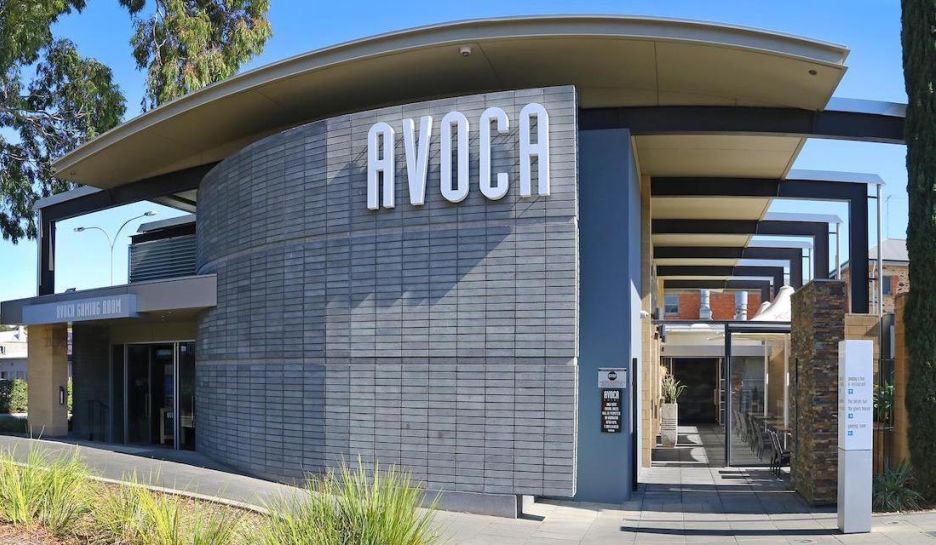

To prove that there really are savings to be found, we first want to share with you the story of the Avoca Hotel. This historic South Australian venue, like so many others, had been facing the realities of rising energy costs. Since 2015, they'd experienced a 260% increase in power prices - so they engaged Choice Energy. Here's how we saved them over $90,000.
First, we included the Avoca Hotel in a group tender with the Australian Hotels Association to secure lower energy rates. Then, we performed a network tariff assessment where we identified inefficiencies in their billing structures. After which, we renegotiated their gas supply agreements too.
The result? The Avoca Hotel saved $30,000 every year for three years following our engagement. They saved $4,600 thanks to the network tariff assessment. And they saved another $7,000 per year thanks to their improved gas agreement.
The key takeaway from this? We really can make a difference - even for much smaller enterprises than the Avoca Hotel.
How You Can Save On Your Energy Bills
Here are some practical and implementable methods for hospitality businesses to save on their energy bills.
Commercial Solar
One effective solution is to invest in commercial solar. It may sound like an oversimplification but the cheapest way to save on energy is to generate your own.
This will reduce your reliance on the grid (a big plus), reduce your energy bills, and insulate your business against future price increases. The future energy savings, coupled with the variety of solar rebates available, make this a much more cost-effective option than you might initially think.
Energy Procurement
This is a hugely impactful method of saving on energy. Energy procurement goes much deeper than just comparing rates. For energy procurement for small businesses, we put your energy usage under a microscope to understand your usage patterns, demand charges, and the potential growth in your needs. We then analyse your current contracts and advocate for you in order to secure the best deal possible.
In the case of commercial energy procurement, we offer the same analytical approach to your energy bill, but with added flexibility for larger operations. By pooling demand with other businesses through group procurement tenders, we can secure wholesale rates that aren't typically accessible to individual operators.
Proactive Strategies from the Experts
The effect on businesses of the cost of living crisis is plain to see. But with proactive strategies in place, it is possible to take control of these rising costs. You can take the first step today with a free energy assessment from Choice Energy.